
Wachau Valley wine: make sense of the glass
The short answer
Start with the grape and the kind of wine you enjoy, then read the origin and style. Steinfeder, Federspiel and Smaragd broadly distinguish lighter, medium-bodied and more powerful wines. They do not decide your personal preference. Ask the tasting host to compare styles, and keep the plan for travel after tasting clear.
In this guide7
By Melk Abbey Last updated
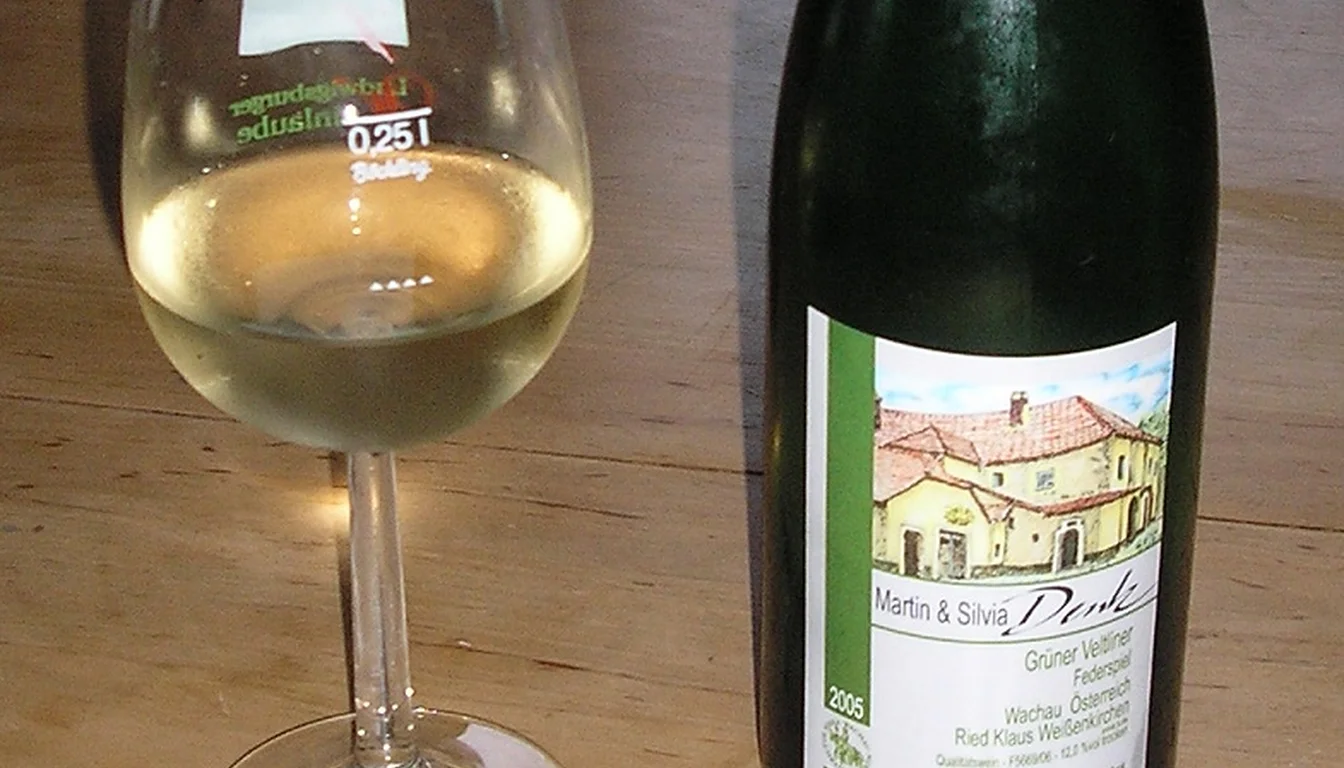
Wachau Valley wine labels can describe grape and origin, plus style at the same time. The familiar Steinfeder, Federspiel and Smaragd names concern style, while a village or single-vineyard name tells you where the wine comes from. Read those details together before choosing a tasting or bottle.
Wachau Valley wine: grape, place and style
The estate's regional account explains that the Wachau uses the Austrian DAC origin system alongside its established style names. It distinguishes regional wines, village wines and single-vineyard wines. These refer to origin and the way the wine is identified within the region.
The style names add a separate clue. A bottle can therefore tell you both where it comes from and the style in which it was made. Do not read a single-vineyard name as a guarantee that you will like the wine more than a broader-origin bottle.
These details turn an unfamiliar label into a few questions. Ask which grape it uses. Note the place named on the label. Compare its listed style. Check the vintage in the glass.
Those answers are more useful than asking for the best wine in the whole valley.
Source: estate's Wachau origin and climate account, checked 14 October 2026.
Steinfeder, Federspiel and Smaragd
The regional wine association describes the three styles as light, medium-bodied and powerful. Steinfeder is the lighter end, Federspiel the middle style, and Smaragd the more powerful one. These are useful starting points when choosing what to compare.
They are not a universal quality ranking. A lighter wine may fit the meal or pace you want better than a more powerful one. Nor does the style name alone describe every flavour, vintage difference or producer choice. Taste or ask for a comparison rather than ordering solely by the most prestigious-looking word.
We avoid assigning a sensory score from a label. The classification is a published framework. Whether a wine feels right to you is a tasting judgement. We have not tasted these bottles as part of writing this guide.
Source: Vinea's wine-style explanation, checked 14 October 2026. Its 2024 style leaflet provides the longer account.
Gruner Veltliner and Riesling
These grapes appear often in the region's white-wine descriptions. Read the grape name alongside the origin and style, rather than assuming every wine with the same grape tastes alike. Soil, site and the producer's choices can lead to a useful comparison within one grape.
A tasting can make that distinction clearer. You might ask for two wines of the same grape from different origins, or the same grape across two styles. That gives the host a concrete way to help without requiring you to know every vineyard name first.
Keep the question simple if you are new to the region. Say what kinds of wine you usually enjoy and whether you want a lighter or fuller style. The tasting host can then explain the particular wines offered rather than promise an abstract best bottle.
Source: estate's current wine overview, checked 14 October 2026.
A named vineyard is about place
Single-vineyard names connect the wine with a more exact origin. The label is not a visitor-access pass. A vineyard may be working land even when its name is familiar from bottles. Use marked public paths when exploring the slopes.
The vineyard guide links the landscape with the towns and terraces. A walk gives you a sense of setting; a tasting gives you a different way to understand the wine. Neither requires pretending that every view proves a flavour.
Choose a tasting that teaches the distinction
A shorter tasting room can be enough when you want to compare a few wines. A guided cellar tour adds production and estate context, usually with a set start and route. A wider tour from Vienna includes transport but spreads the day across more activities.
The estate visit guide describes a sourced local example. It gives the tasting-room fees, English tour schedule and staircase limitation from the estate's own pages. That helps you choose the experience before choosing a wine.
If you want a day from Vienna, use the wine-tour guide. A tasting-led trip and an Abbey-led excursion should not be treated as interchangeable because both mention the Wachau.
Prices, purchases and the journey afterwards
A published tasting fee covers a particular visit, not a promise about bottle prices or the full day's cost. Read what is included and whether a purchase is optional. A fee credit against wine purchases can be useful, but it should not decide how much you buy.
Check any baggage or shipping plans before buying more than you can carry. We do not give blanket import or customs advice for every country. Use the relevant carrier and destination rules for your own journey if a purchase will cross borders.
Plan transport after tasting before you begin. A local stay, a checked bus or an arranged return can make the day clearer. Keep the tasting separate from an assumption about driving after wine, and allow time to reach the transport stop.
Wachau Valley wine verdict
Read Wachau Valley wine by grape and place, plus style together. Use the three style names to ask for a useful comparison, not to choose a universal winner. Then select a tasting whose time and access, plus return route fit the day you want.