
Wachau Valley vineyards: read the landscape
The short answer
Start with the place and the pace you want. Vineyard scenery, a tasting room and a cellar tour are different activities. Stay on marked public routes, keep clear of working rows and check the return before a longer hill walk. Use the wine labels as a way to ask better tasting questions, rather than as a ranking of the landscape.
In this guide6
By Melk Abbey Last updated
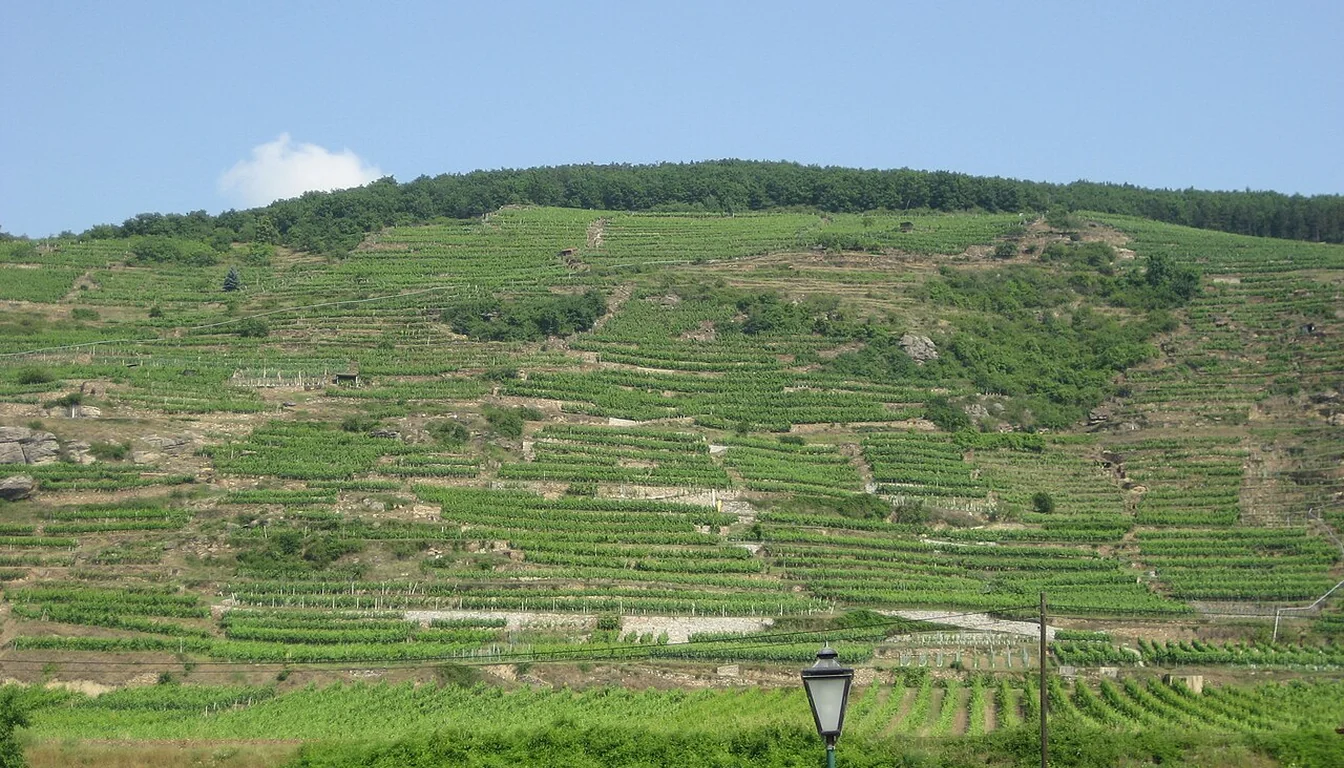
Wachau Valley vineyards spread across terraces and lower slopes beside the Danube. The landscape is a reason to visit even if you do not book a tasting. Choose a signed public walk or a village view, then add a wine visit if you want to connect the scenery with what is in the glass.
Why the terraces shape the view
The Danube valley combines agriculture with settlements and historic buildings. UNESCO recognises that cultural landscape as a whole, rather than a single vineyard or estate. Terraces, walls and the pattern of towns help explain why the scenery feels different from a flat wine region.
The vineyard slopes are also working land. A scenic track or gap between rows is not proof of public access. Use the marked route and current local signs. Avoid entering planted rows or climbing dry-stone walls for a photo.
The valley visitor guide places the main towns and transport gateways together. It is the useful starting point when you want scenery without making the day depend on a wine booking.
Source: UNESCO's Wachau landscape account, checked 14 October 2026.
Wachau Valley vineyards: choose a place to look or walk
Around Durnstein, the river and town, plus slopes sit close together. The lower village gives a clear view of the setting without the castle climb. The hill adds effort and a descent, so choose it on its own terms. Read the Durnstein guide before trying to combine every part.
Weissenkirchen offers a slower village setting beneath terraces and a prominent church. Its local visitor details places the river and vineyards, plus wooded slopes together. A village walk can be the main outing, with a tasting as an optional addition.
Near Krems and Stein, you can combine town streets with views towards the wider valley. This is useful when rail access and a flexible return matter. The Krems guide helps decide whether the day belongs in the city or farther along the river.
Sources: regional visitor information and Weissenkirchen's local guide, checked 14 October 2026.
Choose a walk you can finish comfortably
A short lower-town walk and a hillside route are different commitments. Check the surface and climb, plus return before heading out. Wear shoes with grip, carry water and leave enough daylight to come back at your own pace. In poor weather, a lower route may be the better day.
Use current signed walking details rather than following a line through vines from an old blog. Agricultural work and closures, plus local access can alter what is appropriate. A broad map of the valley is useful for orientation, but it cannot establish the state of every path.
Keep your next connection in mind. The time to reach a viewpoint is not the full walk: pauses and the descent need room too. If the day already has a tasting appointment, do not let a longer route make the arrival tight.
Connect the landscape with the wine labels
The region's wine labels can describe both place and style. The estate's own regional account explains village and single-vineyard origins alongside the established Steinfeder, Federspiel and Smaragd style names. These tell you different things, so read them together rather than as one simple ladder.
You will often meet Gruner Veltliner and Riesling in the region's white-wine descriptions. The grape, origin and vintage, plus style all help frame a tasting question. A vineyard name on the bottle does not establish that the vineyard is open to walk through.
The wine guide explains those labels in visitor language. It keeps published classification apart from an invented tasting review or a promise that one category will suit every palate.
Source: regional wine and climate account, checked 14 October 2026.
Add one winery visit when it serves the day
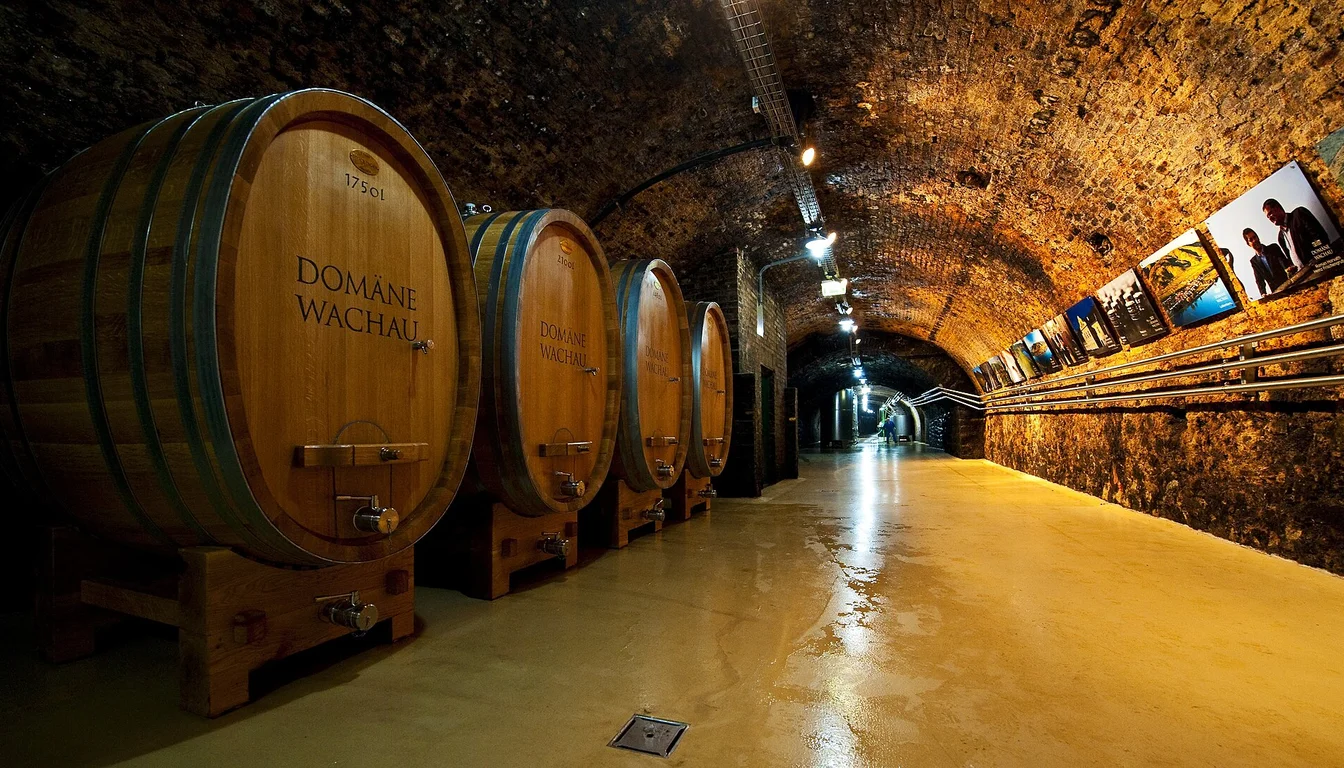
A tasting room suits a shorter stop. A cellar tour gives more context but may involve a fixed language, steps and a set time. A wider outing from Vienna adds transport and a sequence of stops. Choose the format before deciding that more wineries must be better.
Our estate visitor guide gives a sourced example near Durnstein. It distinguishes the tasting-room hours from the English cellar-tour schedule and names the staircase limitation. Published visitor details are the basis, not a claim that we have toured the cellar.
Wachau Valley vineyards verdict
Choose Wachau Valley vineyards for the landscape, then decide whether a tasting adds something useful. Keep to signed routes, respect working land and leave room for the return. A village view and one well-chosen wine stop can be a complete day without a long estate checklist.
Our picks in this topic
Our pick
Wineries in Wachau Valley: plan your visit in 2026
To visit wineries in Wachau Valley, choose the type of visit before making a list of producers.