
Durnstein Castle: plan the uphill walk
The short answer
Make the castle your main walk if you have steady footing, suitable shoes and enough daylight for the return. Stay in the village when the route is too wet, too hot or beyond your comfort level. The ruin's historical fame does not remove the need to check the weather and your transport home.
In this guide6
By Melk Abbey Last updated
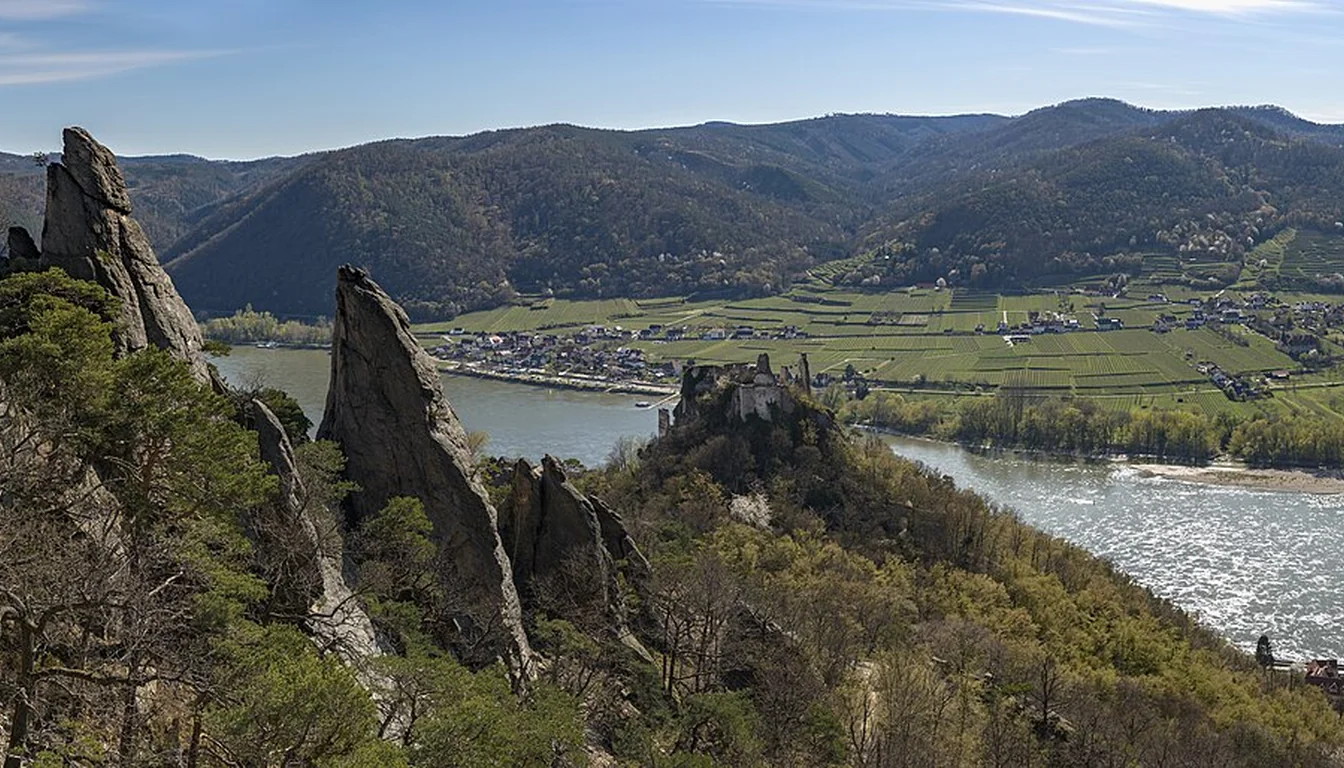
Durnstein Castle is a ruined hilltop fortress above the Wachau town. You reach it on foot, and the uphill approach is the main planning choice. It offers an outdoor historic setting and valley views, rather than furnished rooms, a guided interior route or an easy step-free visit.
What Durnstein Castle actually offers
The attraction is the ruin and its position above the river. You see surviving stone walls in an open setting. The experience depends on being comfortable with a hill walk and an outdoor site. Do not book your day expecting an indoor museum, furnished palace or staffed exhibition.
The Lower Austria visitor page places the castle above Durnstein and describes the climb from town. Treat published walk times as a guide for suitable conditions. Your pace and pauses, plus the descent can make the visit longer. We do not promise a finish time from a single route estimate.
Source: castle ruins visitor information, checked 14 October 2026.
The history behind the ruin
The site is closely associated with the imprisonment of an English king after his return from crusading in the late twelfth century. That story explains why the ruin appears in many descriptions of the Wachau. The surviving stonework is not a complete reconstruction of the medieval place.
Separate recorded history from later legends and the landscape you see now. An old story about finding a prisoner does not establish an exact window or cell, or room you can identify during a walk. We do not label an unsupported spot as the place where a historic event happened.
The regional castle account gives the historical overview. Use the site for context and views, rather than looking for an invented room-by-room tour.
Before you head uphill
Wear shoes with a firm sole and grip. Bring water, and check the day's weather before leaving the lower streets. Rock and uneven ground need more care after rain. In heat and shade, plus effort become part of the decision. If the route feels wrong at the start, turning back is a sensible choice.
Allow time for the return. Descending can be slower than climbing, especially with tired legs or damp footing. Keep a margin before a bus, train connection or boat departure. A route that fits on paper may be too tight once you stop to look at the valley.
Do not rely on this guide as a navigation aid. Follow the signed public path and local notices. Keep out of closed areas, and avoid climbing on the walls. Open-air ruins can have edges and surfaces that do not suit children or visitors with balance concerns.
Fit the walk into a Wachau day
A simple plan is to arrive in Durnstein, get your bearings, make the walk, then leave time for the lower town. This puts the effort before the relaxed portion of the visit. You can shorten the day by staying in town if the weather changes.
If travelling from Vienna, plan the complete outward and return route. A train to Krems still leaves the village connection. A boat arrival may give you only a narrow window before the next leg. See the Krems and Vienna transport guide for the rail gateway, then check the village connection separately.
An Abbey visit and this climb can compete for time. Melk Abbey has fixed entry windows and indoor rooms to see. Trying to do both with wine stops and a river cruise can turn the day into transfers. Choose the one that matters most, and make the other optional.
A useful alternative in poor conditions
Stay in the village for streets, riverside views and a slower stop. You can still see the hill and understand its position without climbing it. The town is not merely a waiting area for the castle route.
If you want an indoor visit, check what is open in the town or continue to Krems for its art and cultural sites. Keep the return route fixed, then choose an activity that fits the weather. This is more reliable than forcing the hill into a day that has changed.
Durnstein Castle verdict
Choose Durnstein Castle for an outdoor hill walk with history and a valley view. The lower village is the right option when the climb does not fit your footing or weather, or schedule. Plan the descent and onward transport before heading up.