
Wachau Valley: choose a slower stretch of the Danube
The short answer
For a first visit, choose one main activity and one nearby stop. An Abbey visit, castle climb and tasting, plus boat trip each need time of their own. Rail gateways and village connections are different parts of the route. Fix the return journey first, then give the place you came for enough room.
In this guide11
- What the Wachau Valley includes
- Choose the main reason for your visit
- Rail gets you to the gateways
- Buses connect the north-bank towns
- A river cruise makes the timetable the centre
- The Abbey is a visit with limits, not just a photo stop
- Walk according to the day you have
- Wine: choose a visit format before a producer
- Decide whether to stay overnight
- Seasons change the shape of a Wachau day
- Wachau Valley planning verdict
By Melk Abbey Last updated
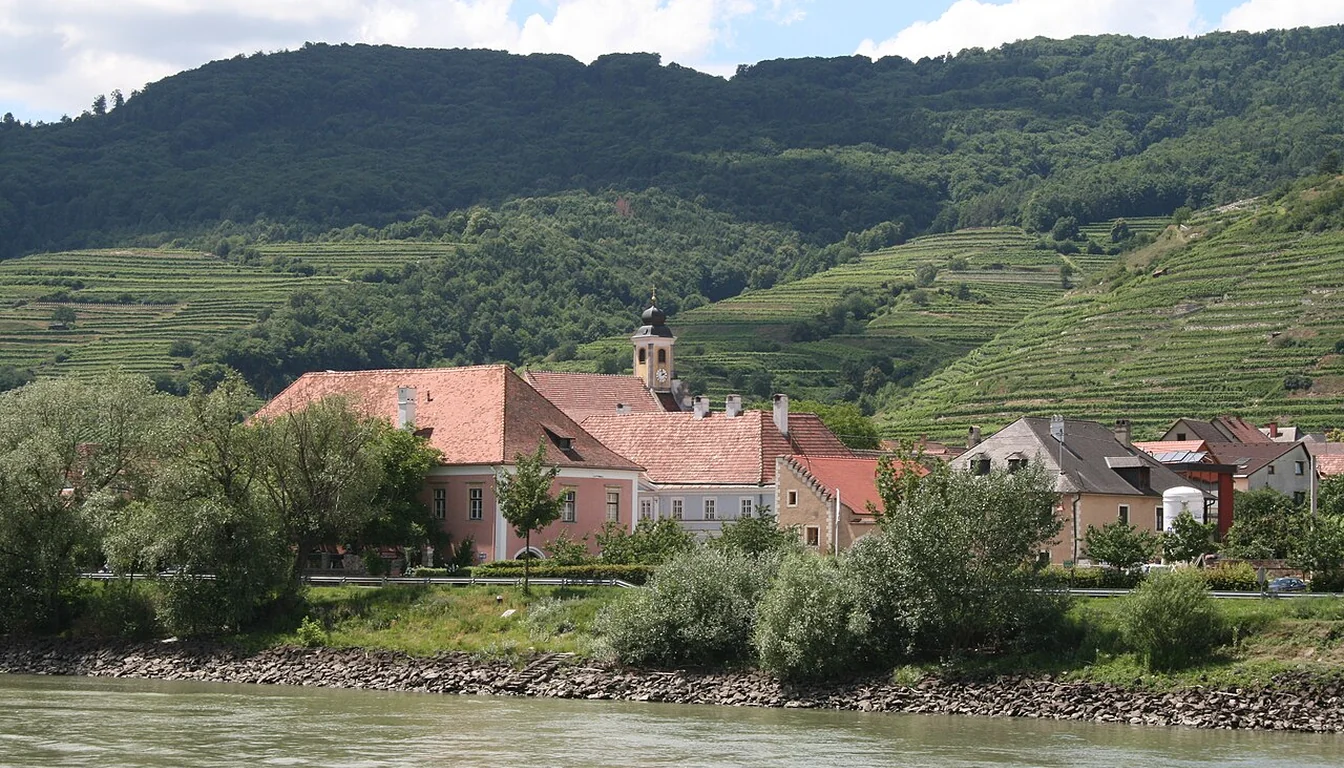
The Wachau Valley is a Danube landscape between Melk and Krems, with vineyard terraces, river towns and historic buildings. Choose the part that fits your day: the Abbey at Melk, the lanes and hill at Durnstein, the art and old streets in Krems, or a slower village and wine visit between them.
Compare distances, admission fees and the scope behind each figure in our Melk Abbey and Wachau facts reference, including a downloadable walking-stage table.
What the Wachau Valley includes
The UNESCO-listed cultural landscape brings together the river, settlements and agriculture, plus historic buildings. It is a lived-in valley, rather than one ticketed attraction. The appeal comes from how its parts sit together: towns at the water, vineyards on the slopes and major buildings above or beside the river.
Melk is the western rail gateway for an Abbey-led visit. Krems is the eastern gateway, useful for a city and art day or an onward village connection. Durnstein and Weissenkirchen are among the north-bank stops between them. A guide that lists all these places is not a promise that they fit comfortably into one day.
Source: Wachau Cultural Landscape, checked 14 October 2026. The landscape's UNESCO status does not establish current transport or entry arrangements.
Choose the main reason for your visit
For historic interiors, choose Melk. The Abbey route has a museum, Marble Hall, balcony and library, plus church. It also has seasonal opening hours and entry plans. If these rooms are the reason for travelling, build the rest of the day around that visit.
For a village and river setting, choose Durnstein. The lower town and riverside can be a gentle outing. The castle above adds an uphill walk. You can visit the village without climbing, so make the hill a deliberate choice rather than a requirement.
For streets and art, choose Krems and Stein. The old-town gate and central streets make a flexible start. The art venues near Stein can fill the main indoor portion. Choose a current exhibition and one venue before trying to visit all of them.
For a slower wine-village day, choose Weissenkirchen or a planned tasting. The goal can be time in the village and a single wine experience. A tasting room, cellar tour and larger guided wine outing have different costs in time and transport.
Our guides to Melk Abbey, Durnstein, Krems and Weissenkirchen keep those choices distinct.
Rail gets you to the gateways
From Vienna, start by checking the train to Melk or Krems. The best connection depends on your starting station and travel date. A route may be direct or involve a change. Search the full journey and a workable return before choosing the sightseeing order.
Rail arrival in one of these towns is not the end of the transport plan if you want a smaller village. You may need a regional bus, seasonal tourist railway or boat. Each has its own stop and timetable, plus operating period. Include the walk between connections in the day.
The Krems–Vienna guide explains how to compare station pairs and changes. For an Abbey day, the Melk town guide places the train arrival and uphill approach together. Neither guide quotes a universal fare from an undated search.
Source: rail journey planning, checked 14 October 2026.
Buses connect the north-bank towns
VOR identifies bus 715 as the north-bank service between Krems and Melk. That corridor is useful for Durnstein and the central villages. Use the current regional planner to establish the actual stops and departures, plus connections for your day.
The south bank has a separate route. It is not interchangeable with a north-bank bus simply because both follow the Danube. Check the bank you need and the bridge or crossing that would connect it to your stop. A map should clarify that choice before you book a timed activity.
The VOR Wachau transport overview, checked 14 October 2026, confirms the north-bank route. For an exact journey, check the regional planner. Do not make the last bus your only unchecked route home.
A river cruise makes the timetable the centre
A boat is a way to experience the valley from the water, but it also moves you between fixed boarding points. Check direction, departure landing and arrival time. Sailing upstream and downstream can have different timing, so do not copy one into the other.
Season matters, and river conditions can alter the service. A summer itinerary is not proof of an autumn or winter sailing. Look at the operator's schedule for your date and keep a land route in mind. If the boat ends in another town, plan your return from there rather than the station where you began.
You can still enjoy the river without a cruise. A town-and-waterfront visit avoids a second fixed booking and leaves more room for a museum or meal. Choose a boat because it is the activity you want, rather than because every Wachau day is supposed to include one.
The Abbey is a visit with limits, not just a photo stop
Melk Abbey is still a working monastery. Its public route is a defined visit, not unrestricted access to every room. The library remains partly accessible during a restoration project that began in January 2026. Older open-room photos may not match the current layout.
The Abbey's published adult admission is €16, with a €4 guided-tour supplement, valid from 1 April 2026 to 31 March 2027. A park-only ticket covers a different area. When choosing a wider tour, read whether Abbey entry is included or optional, or excluded from the selected booking option.
Source: Abbey prices and access and library restoration notice, checked 14 October 2026.
Walk according to the day you have
The valley offers village streets, riverside paths and hillside routes. These are not all the same level of effort. A walk to the Durnstein ruins adds climbing and a descent. A vineyard trail may have rough ground or exposure, or signs that need following carefully.
Choose a route suited to your footwear and weather, plus return plan. Leave room for water, pauses and a turn-back decision. Do not assume every attractive track through a vineyard is a public path. Stay on signed routes and respect working land.
The vineyard landscape guide explains how to enjoy the terraces without treating rows of vines as open visitor space. The castle guide is the better starting point when a hill walk is the main activity.
Wine: choose a visit format before a producer
A short tasting-room stop can fit a village day. A cellar tour takes longer and may involve stairs, a set language and a fixed start. A guided wine outing from Vienna adds transport but gives you less control over the sequence. Start with that format choice.
Check the current tasting terms, number of pours and any food included. Do not rely on a broad description such as wine included to establish what you will actually receive. Keep a non-drinking and return-transport plan clear before the first tasting.
Read the wine tour comparison for the formats, the wine label guide for the terms you will meet and the winery visit guide for the booking questions. These guides use published sources and make no claim of personal tasting or testing.
Decide whether to stay overnight
An overnight stay can remove the pressure to catch a late return to Vienna. Choose the base by transport and the activity you want most. Melk suits the Abbey; Krems suits rail access and cultural stops; smaller villages suit a slower setting when onward transport works for you.
Check the exact room location, luggage access and evening food options. A listing under a town name can be outside its centre. A river view does not prove that the boat landing is close or that the room is quiet. Our where-to-stay guide compares base choices without fictional hotel rankings.
Seasons change the shape of a Wachau day
Longer daylight can make a broader route easier, but it does not remove transport or entry limits. In colder months, focus on what is actually open and running. An Abbey visit, town walk and checked train can be simpler than an itinerary dependent on a boat and several seasonal stops.
Recheck weather and current access shortly before travelling. Keep one optional activity that you can drop. A clear main purpose makes a changed plan easier to handle than a day built around a chain of equally essential bookings.
Wachau Valley planning verdict
Choose one main reason to visit, pick the rail gateway or tour that supports it, then add a nearby stop if the return remains comfortable. The Wachau Valley is best understood as several different days you could take. Give this day a clear centre and leave another part of the river for next time.
Our picks in this topic
Our pick
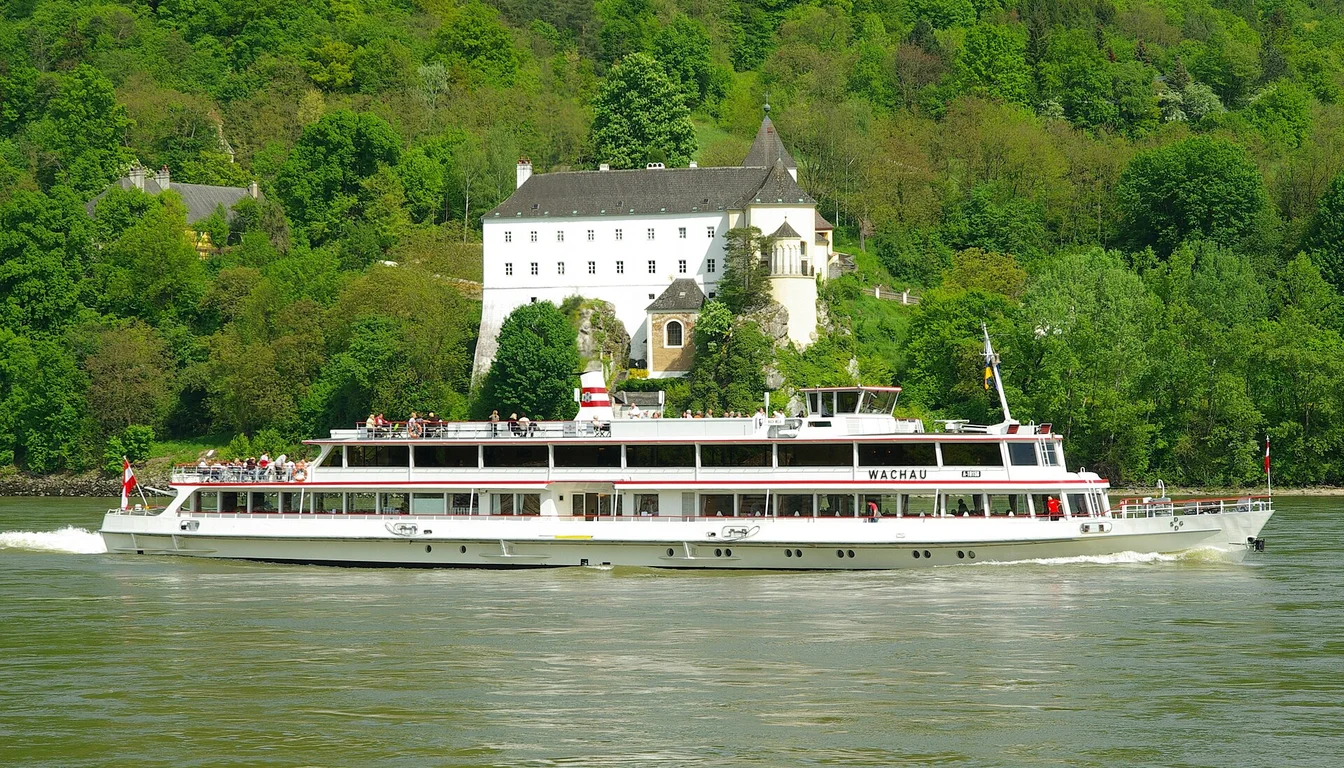
Wachau Valley day trip from Vienna in 2026
A Wachau Valley day trip from Vienna works best when you choose its main purpose first.
Our pick
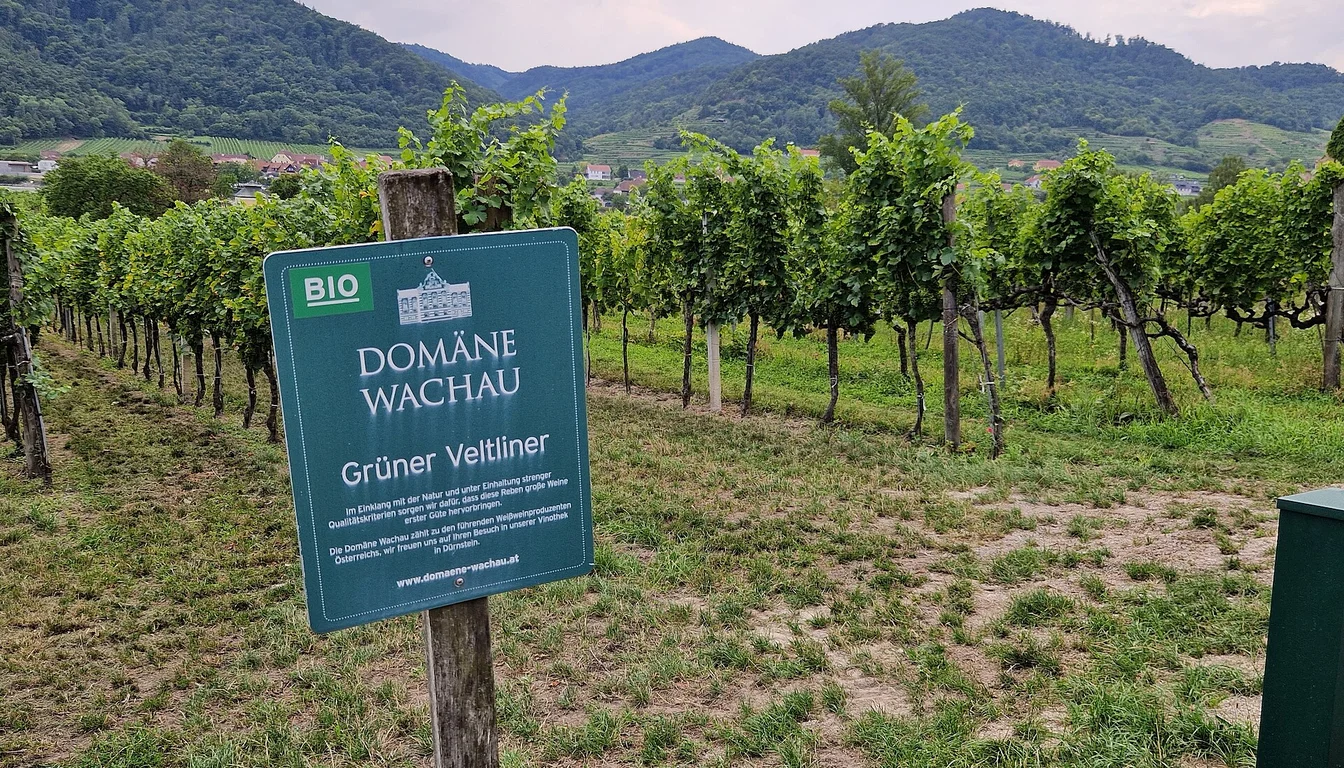
Wachau Valley wine tour: choose your format in 2026
A Wachau Valley wine tour can mean a tasting-led outing from Vienna, a local cellar tour or a short tasting-room visit.
Our pick
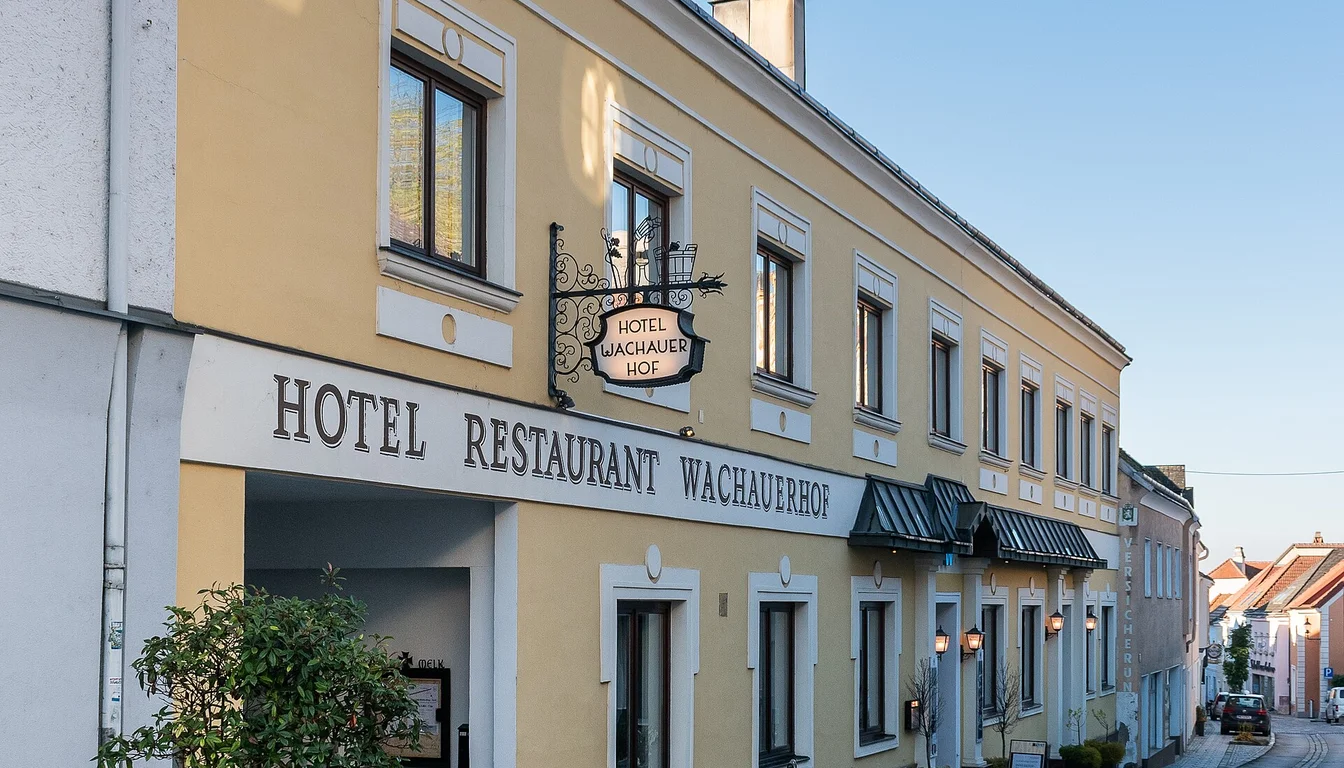
Wachau Valley hotels: choose your base in 2026
For Wachau Valley hotels, choose the base before comparing rooms.